


Obsah
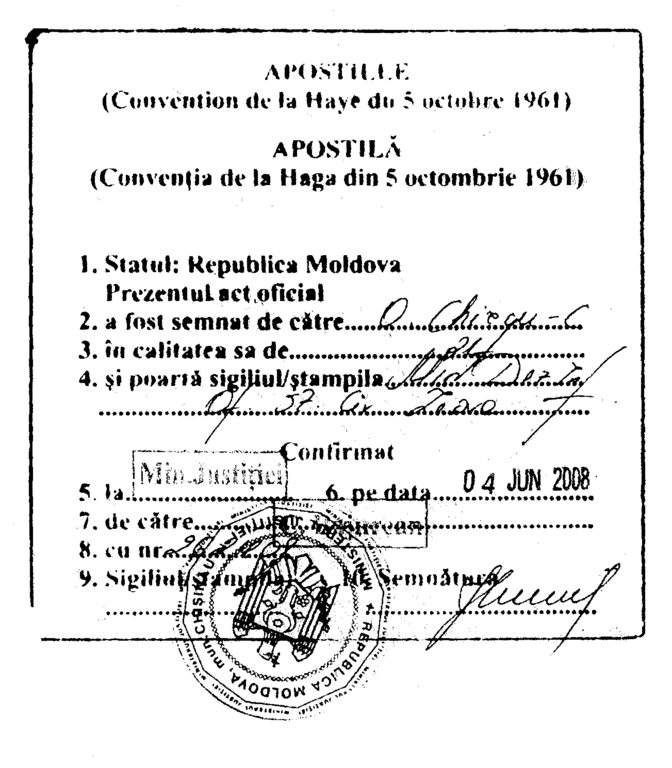
Apostilu nedávajú na všetko. Existuje zoznam dokladov, ktoré na apostilovanie neprijmú v zásade, a dozvedieť sa to je lepšie skôr, ako zaplatíte službu a pošlete originály tisíc kilometrov ďaleko. Nižšie je zoznam z bodu 3 Pravidiel osvedčovania apostilou (nariadenie zo 17.03.2023 č. 125/209/293/139/999/5) a riešenie ku každému bodu.
Zdroj: Pravidlá osvedčovania apostilou – nariadenie zo 17.03.2023 č. 125/209/293/139/999/5 · k dátumu 2026
Pas a ďalšie doklady o osobe
Apostilu nedávajú na originály dokladov, ktoré preukazujú totožnosť a potvrdzujú štátne občianstvo Ukrajiny, ani na doklady potvrdzujúce osobitné postavenie osoby.
Čo robiť: takéto doklady prijímajú na apostilovanie vo forme notársky overených kópií. Najprv notár, potom apostila.
Listiny sovietskeho vzoru
Originály dokladov vydaných inštitúciami bývalých zväzových republík v rámci ZSSR na území Ukrajiny na apostilovanie neprijímajú. Výnimka je uvedená osobitne: doklady o vzdelaní a vedeckých hodnostiach vydané Ukrajinskou SSR. To znamená, že sovietsky diplom apostilovať možno, a sovietsky rodný list nie.
Čo robiť: objednať na ukrajinskej matrike duplikát listu alebo výpis z registra a apostilovať už ten. Vyžiadanie dokladov cez portál Diia: poplatok je 0,51 UAH za duplikát listu a 73 UAH za výpis, spracovanie trvá 3 pracovné dni. Na získané duplikáty možno dať apostilu.
Prečo práve sovietsky rodný list neapostilujú a čo robiť namiesto toho, sme rozobrali v samostatnom článku.
Doklady ukrajinských konzulátov
Apostilu nedávajú na doklady vydané zahraničnými diplomatickými zastúpeniami Ukrajiny.
Čo robiť: nič. Takéto doklady apostilu nepotrebujú, pretože sa na ne Haagsky dohovor nevzťahuje. Napríklad list vydaný konzulátom Ukrajiny v Nemecku prijímajú nemecké orgány úplne bez apostily.
Korešpondencia, stanoviská, výpisy z registra práv
Neapostilujú právne predpisy, stanoviská a právne závery k ich uplatňovaniu, ani písomnosti povahy korešpondencie. Apostila nie je predpísaná ani na informácii zo Štátneho registra vecných práv k nehnuteľnostiam: vydáva sa na bežných hárkoch A4 bez osobitných tlačív.
Čo robiť: priama náhrada tu neexistuje. Vopred si u prijímajúcej strany overte, v akej podobe je ochotná tieto údaje prijať.
Pravidlo o kópiách, na ktoré sa zabúda
Kópie dokladov zo sféry vzdelávania a vedy apostilujú až po tom, ako apostila už stojí na origináli. Pri matričných dokladoch je pravidlo podobné: notár overí kópiu na použitie v zahraničí až po tom, ako je originál legalizovaný alebo apostilovaný. Preto kópia nepomôže tam, kde originál apostilovať nemožno.
Výnimky Haagskeho dohovoru: diplomatické a obchodno-colné doklady
Článok 1 Haagskeho dohovoru výslovne vyníma z apostily dve kategórie: doklady vyhotovené diplomatickými alebo konzulárnymi úradníkmi a administratívne doklady, ktoré sa priamo týkajú obchodných alebo colných transakcií (napríklad colné vyhlásenia, faktúry, niektoré osvedčenia o pôvode). Pri diplomatických a konzulárnych listinách dohovor apostilu vôbec nepredpokladá. Pri obchodno-colných dokladoch sa spravidla používa iná cesta – overenie na obchodnej komore a v prípade potreby konzulárna legalizácia podľa pravidiel cieľovej krajiny.
Ukrajinská prax: laminát, chýbajúca pečiatka, obyčajné kópie
V praxi apostilu neprijmú, ak je originál laminovaný – pod fóliou sa nedá overiť pravosť pečiatky a podpisu, preto matrika (ukr. ДРАЦС) najprv vydá nové osvedčenie. Rovnako odmietnu doklad bez úradnej pečiatky či podpisu alebo obyčajnú, notársky neoverenú fotokópiu. Staré (do roku 1991) alebo opotrebované listy zvyčajne tiež vyžadujú nové osvedčenie z matriky. Rodné, sobášne a úmrtné listy sa apostilujú cez ministerstvo spravodlivosti.
Doklady pre nehaagske krajiny: konzulárna legalizácia
Ak cieľová krajina k Haagskemu dohovoru nepristúpila, apostila tam neplatí – potrebná je konzulárna legalizácia (ministerstvo spravodlivosti / ministerstvo zahraničných vecí → veľvyslanectvo cieľovej krajiny) a pri obchodných listinách často aj overenie na obchodnej komore. Napríklad SAE zmluvnou stranou dohovoru nie sú, takže doklady pre SAE sa legalizujú konzulárnou cestou. Členstvo sa však mení: Čína pristúpila k dohovoru od 07.11.2023, takže doklady pre Čínu sa dnes apostilujú a nelegalizujú konzulárne (túto zmenu má mnoho stránok stále nesprávne); Kanada pristúpila 11.01.2024. Aktuálny stav krajiny si vždy overte pred podaním.
Nie ste si istí, či sa váš doklad dá apostilovať – pošlite nám fotografiu a my vám navrhneme riešenie a vybavíme apostil alebo legalizáciu pre vašu krajinu.
Ak doklad na apostil neprijmú, takmer vždy sa to dá vyriešiť: laminát a zastarané tlačivá sa nahradia duplikátom, obyčajné kópie notársky overenými a pre krajiny mimo Haagskeho dohovoru sa vybaví konzulárna legalizácia. Presná cesta závisí od druhu dokladu a cieľovej krajiny a status krajín sa občas mení, preto je vhodné konečné požiadavky overiť na príslušnom úrade (Ministerstvo spravodlivosti, školstva, vnútra, zahraničných vecí). Pošlite nám fotografiu dokladu a navrhneme správny postup bez zbytočných krokov.