Etalon logo

Documents for the Foreign Police: Residence in Slovakia

Author: Etalon translation agency

Published:

Updated: 2026-07-09

Contents

For a residence application the foreign police almost always require foreign documents authenticated with an apostille (or superlegalisation) and accompanied by a sworn translation into Slovak. There is also a rule that surprises many: a translation done abroad must additionally be confirmed by a Slovak diplomatic mission – whereas a translation by a sworn translator in Slovakia is accepted directly. This guide sums up which documents are required, what needs an apostille, and why translating in Slovakia is the safest route.

Which documents the foreign police require

The exact list depends on the type and purpose of residence (work, business, study, family reunification), but the core recurs: a document proving the purpose of residence (employment contract, school confirmation, trade licence, or marriage/birth certificate for family), a criminal-record extract from your home country, proof of accommodation, health insurance, and proof of financial means.

Not sure which documents apply to your case? Tell us the purpose of residence – we say which of them need an apostille and translation, so you don’t get stuck on a request for supplements at the foreign police.

Authentication and translation: what to watch for

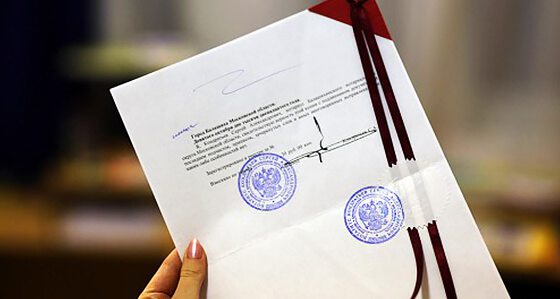
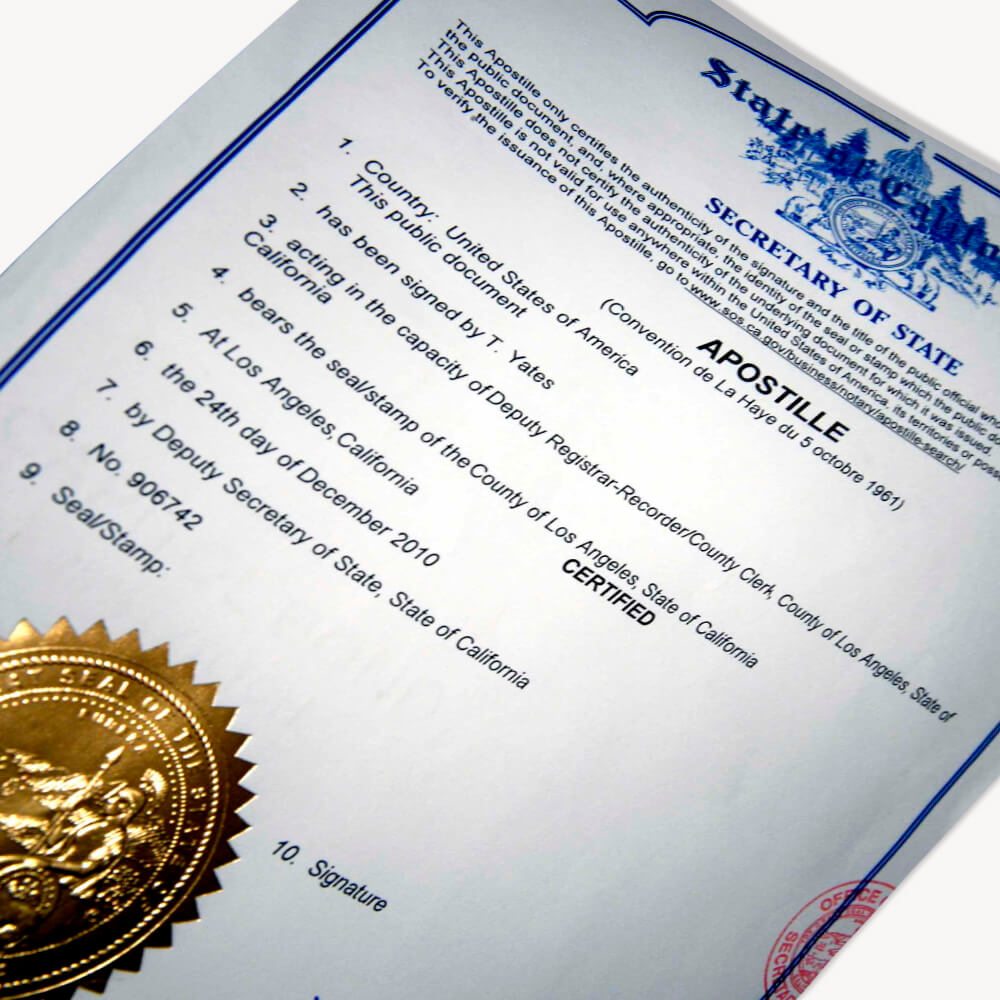
Every document issued abroad must be authenticated for the foreign police – by an apostille in Hague Convention states, otherwise by consular superlegalisation – and accompanied by a sworn translation into Slovak (Czech is also accepted).

Mind two things. First, documents enclosed with the application must be no older than 90 days – arrange the criminal-record extract, especially, right before filing. Second, if you have a document translated abroad, the foreign police usually require confirmation from a Slovak diplomatic mission that an authorised person produced it (a translation from the Czech Republic is exempt). So the cleanest solution is to have the translation produced in Slovakia by a sworn translator – one authentication step falls away.

Source: Residence of foreigners – Slovak Ministry of Interior (foreign police) · as of 2026

Ukrainian documents and temporary protection

Ukrainians under temporary protection (odídenci) have a separate regime, but when switching to another type of residence – for work, say – the same requirements apply: an apostille and a sworn translation of the documents.

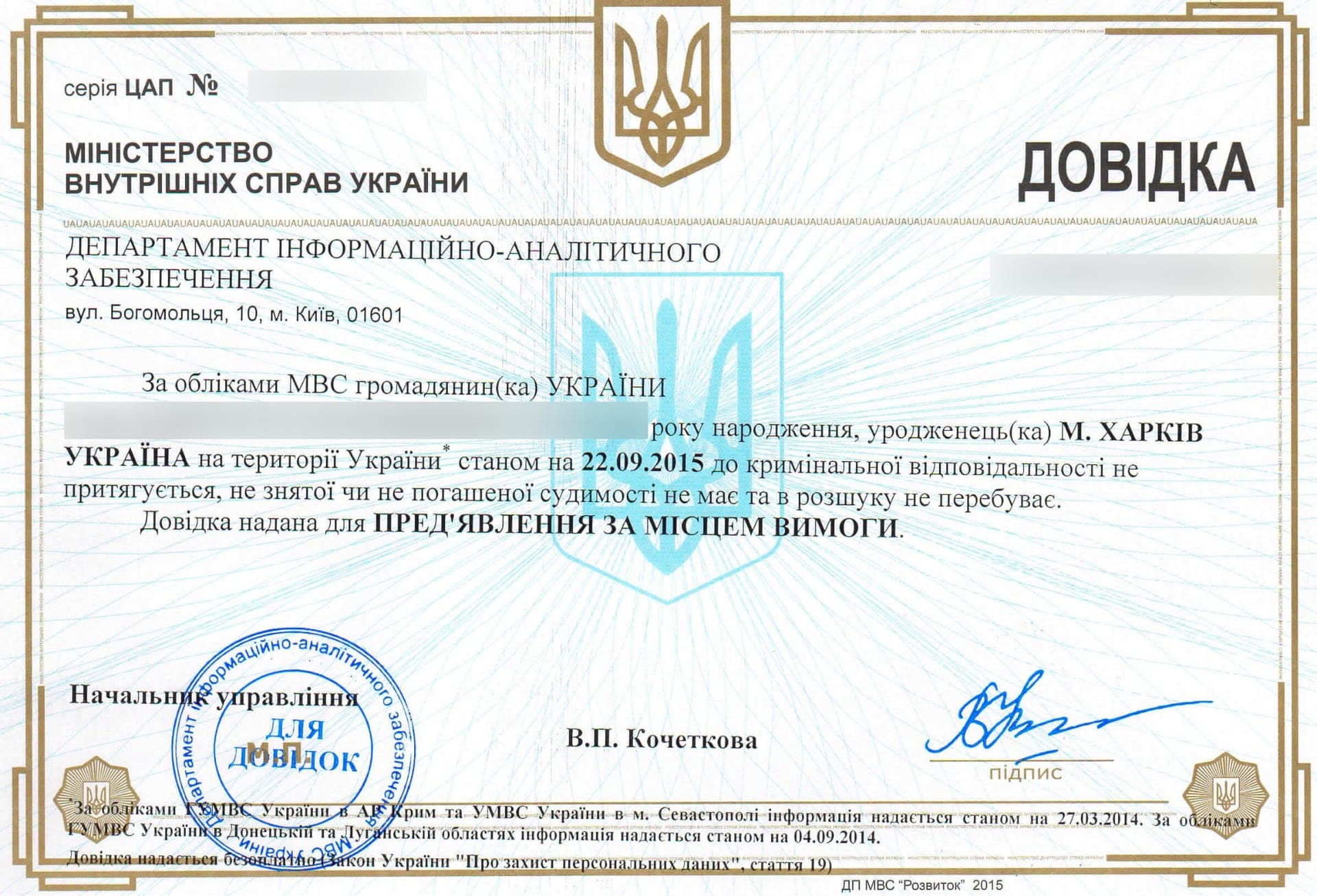
A Ukrainian document usually needs to be apostilled by a Ukrainian authority, which you cannot do in Slovakia. We can: we arrange the apostille directly in Ukraine through our own Kharkiv and Kyiv offices and then translate the document officially. We align the name spelling with your passport – a transliteration mismatch is a common reason an authority sends a file back.

The most common mistakes that drag out the procedure

Files are most often returned because of the exceeded 90-day window (an old criminal-record extract), a missing apostille, an inconsistent name spelling across documents, and a translation that is not sworn or was produced abroad without confirmation from a Slovak diplomatic mission.

All of it is avoidable by preparing in the right order: apostille first, then a sworn translation in Slovakia with a unified name spelling – and filing before any document passes 90 days.

Step by step

  1. Determine the type and purpose of residence – it decides the exact document list.
  2. Obtain the documents in your home country (especially the criminal-record extract) and apostille them.
  3. Have the documents translated into Slovak in Slovakia – by a sworn translator, with a unified name spelling.
  4. File the application with the foreign police before any document passes 90 days.
  5. Respond to any authority requests; after residence is granted, meet the arrival deadline (180 days).

What we help with

We take care of the apostille of Ukrainian documents and their sworn translation into Slovak – in a single order and with a unified name spelling. As the translation is produced by a sworn translator in Slovakia, the foreign police accept it without a diplomatic-mission confirmation. Details are on the sworn Ukrainian translation page; for the whole document package see also documents for Slovakia. If you need an interpreter for the interview, we also provide interpreting.

Preparing your residence documents?

Send scans – we arrange the apostille from Ukraine and the sworn translation into Slovak, ready for the foreign police.

Get a quote

FAQ: documents for the foreign police

Must the criminal-record extract be apostilled?

Yes – a foreign criminal-record extract for the foreign police must be apostilled (or superlegalised) and must be no older than 90 days. Obtain it right before filing the application.

Is a translation I had done abroad enough?

A translation done abroad usually needs confirmation from a Slovak diplomatic mission that an authorised person produced it (except a translation from the Czech Republic). So it is simpler to have it produced by a sworn translator in Slovakia.

Which documents must I translate into Slovak?

Usually all foreign documents enclosed with the application – the criminal-record extract, birth and marriage certificates, the proof of purpose and others. Authorities accept a sworn translation into Slovak (and into Czech).

How long are the documents valid?

Documents enclosed with the application must be no older than 90 days. Plan the apostille and translation so you file within that window.

Do you arrange the apostille of Ukrainian documents?

Yes – we arrange the apostille of Ukrainian documents directly in Ukraine through our own offices and then translate the document officially into Slovak in a single order.

Have questions?

Fill out the form for feedback

We reply in 15 minutes, no spam. Your data stays confidential.

Our offices

Find directions to us on Google Maps

mailcalendar

Mon-Fri: 09:00 - 18:00

Sat, Sun: Closed

FAQ

What services does your company provide?

The translation agency "Etalon" has been operating in the Ukrainian market since 2008, providing professional written and oral translation services.

How to order a service?

To order a service, you can contact us by phone or email listed on our website.

What is the cost of services?

The cost of our services depends on the volume and complexity of the work. For detailed information, please contact us.

Do you provide urgent translation services?

Yes, we provide urgent translation services. For additional information, please contact us.

What documents are needed for translation?

For translation, you need to provide the original or copies of the documents. For more detailed information, please contact us.

How long does the translation take?

The time required for translation depends on the volume and complexity of the text. It usually takes from a few hours to several days.

Do you translate specialized texts?

Yes, we translate specialized texts, including legal, technical, medical, and other documents.

Do you provide notarized translation services?

Yes, we provide notarized translation services. For additional information, please contact us.

When are you open?

All three offices — Kharkiv, Kyiv and Bratislava — are open Monday to Friday, 09:00–18:00. Each keeps its own local time, and Bratislava (Central European time) is an hour behind the two Ukrainian offices, so allow for that difference if you're calling from abroad.

Do I need to come to the office?

You don't need to visit us in person. Send scans of your documents by e-mail and we'll quote the price and turnaround; some services need the original, which then travels by courier or post instead of you. We return the finished document the same way — by post, or as a signed electronic file where the receiving authority accepts it.

Can I get the translation the same day?

It depends on which office handles your order. In Kharkiv and Kyiv a standard document can often be ready the same day if you send the scan early and choose the express option, which may cost extra — we confirm this when we quote. In Slovakia the timings are different: a sworn translation of a standard document usually takes up to 2–3 working days, express by arrangement, and what you receive the same day there is the quote rather than the finished translation. Larger or more complex jobs, and services that involve a state authority, take longer in either country.