



Contents
The route depends on the destination country. For China, an apostille has applied since 7 November 2023 – the PRC joined the Hague Apostille Convention, so consular legalization is no longer required (many sites still say otherwise). The UAE is not a Hague member, so documents go through consular legalization: the Ministry of Justice or the MFA, then the UAE embassy, plus the Chamber of Commerce for commercial papers.
China: now an apostille, not consular legalization
Ukraine and China are both Hague members, so since 7 November 2023 an apostille is enough for the PRC. The issuing body depends on the document type (CMU Resolution No. 61): the Ministry of Justice apostilles notarial acts (powers of attorney), court rulings and civil-registry (ДРАЦС) records (birth, marriage and death certificates); the Ministry of Education – diplomas; the Ministry of Internal Affairs – criminal-record certificates; the MFA – medical documents. The Ministry of Justice fee in 2026 is UAH 670 for individuals and UAH 1160 for legal entities, charged for each document; when we run the case, the filing and that charge are ours to take care of. The document is then translated into Chinese and certified – China often requires a certified translation.
The UAE: full consular legalization step by step
The UAE is not a Hague member, so an apostille is not accepted – consular legalization is required. The route is multi-stage: first certification by the relevant authority (the Ministry of Justice for notarial and civil-registry documents, the MFA at the final state stage), then legalization at the UAE Embassy. For commercial documents (invoices, statutory and export papers) a Chamber of Commerce step is added, and sometimes MOFA attestation on the UAE side. The document is translated into Arabic and certified in advance. Because of the number of authorities, the UAE route takes longer than an apostille, so plan ahead.
What cannot be apostilled and when you need a duplicate
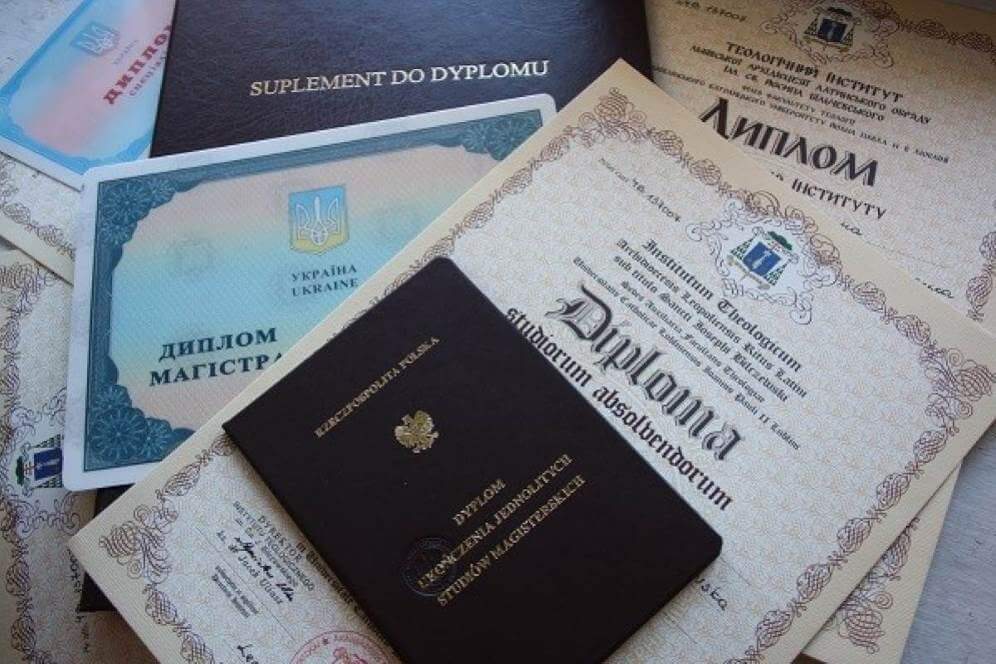
An apostille is not placed on documents issued by diplomatic or consular agents, on administrative papers dealing directly with commercial or customs operations, on laminated originals (the seal can't be verified), on documents without an official seal or signature, or on plain uncertified photocopies. Originals of certificates issued by a registry office of the Ukrainian SSR are not accepted for apostille at all, and worn forms usually need a fresh one – in both cases a reissued certificate from the Ukrainian civil registry is required. Nostrification (recognition) is a separate matter: recognising a foreign diploma in Ukraine goes through the Ministry of Education and the state enterprise «Information and Image Centre» and is not an apostille; recognising a Ukrainian diploma abroad is a procedure of the destination country, where the diploma usually must be apostilled and sworn-translated first.
We'll map the exact route for your country and document and handle every authority for you – from the apostille to consular legalization and a certified translation.
The takeaway is simple: for China since 07.11.2023 it's an apostille, for the UAE it's consular legalization. The exact route depends on the document type and the receiving institution, and every authority in the chain applies its own tariff, which we settle for you within the agreed price. We make no promises beyond the official procedures, but we'll tell you exactly which path your case needs and handle every authority for you – from a duplicate to a certified translation. Reach out to the Etalon bureau.